Ask why a foundation concerned with education, water and income would begin with a waste product, and the honest answer is that we were looking for the smallest thing that moves the most.
In the Gontougo region, cashew is the crop that decides a household’s year. Processing the nut means cracking the shell, and the shell — the greater part of the raw nut by weight — has nowhere to go. It is burned in the open beside the plants, or heaped until the rain carries its caustic oil into the soil.
That single stream sits at the intersection of four problems we care about. It pollutes the air people breathe at work. It wastes a fuel in a region that needs energy. It withholds carbon from soils that would hold water better with it. And it belongs to a value chain whose income gap is what pulls children out of school.
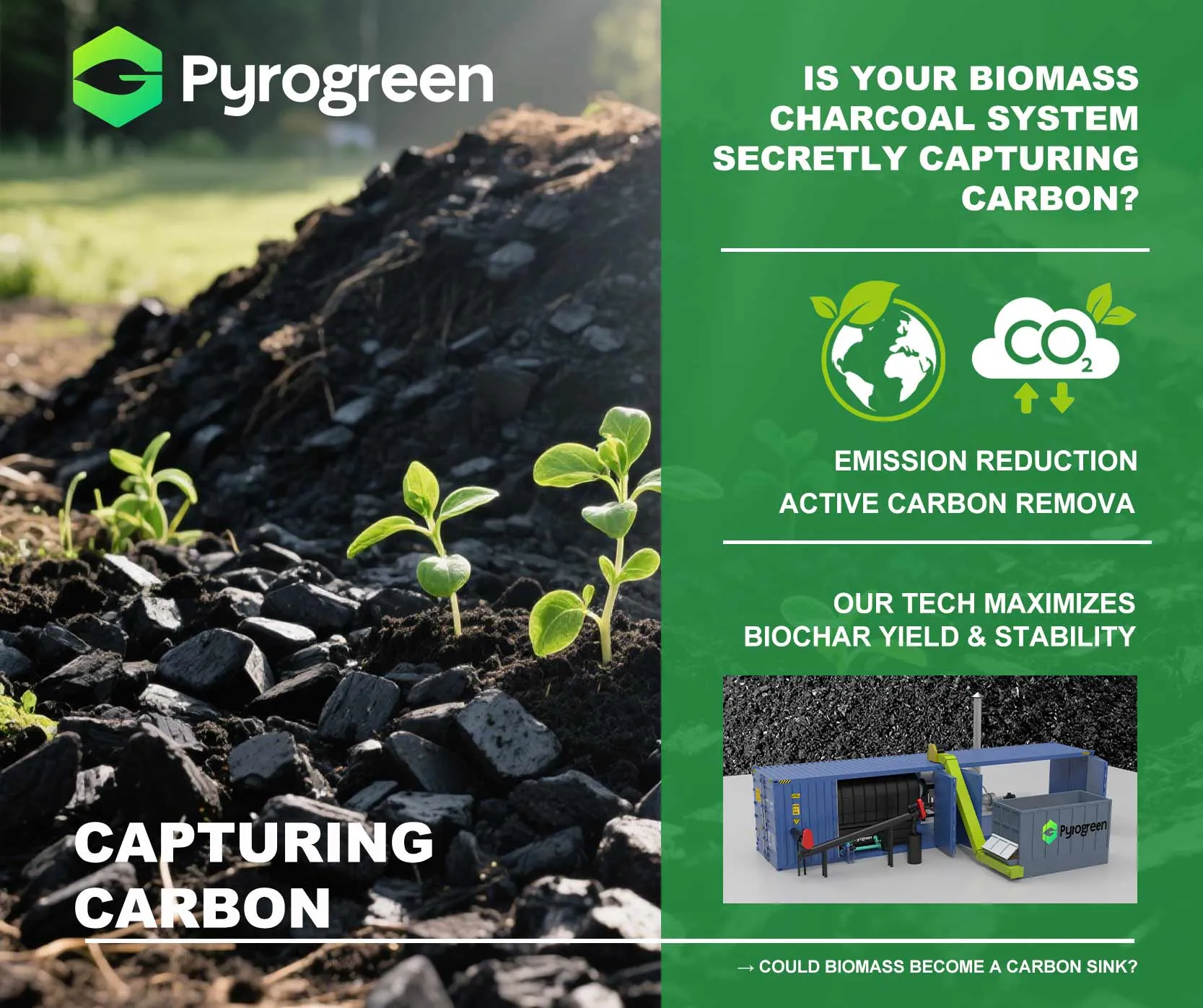
Pyrolysis does not solve all four. But it is a real intervention at the point where they meet, it can be measured, and it uses something the region already has too much of. That is a better place to start than a solution designed somewhere else and flown in.